



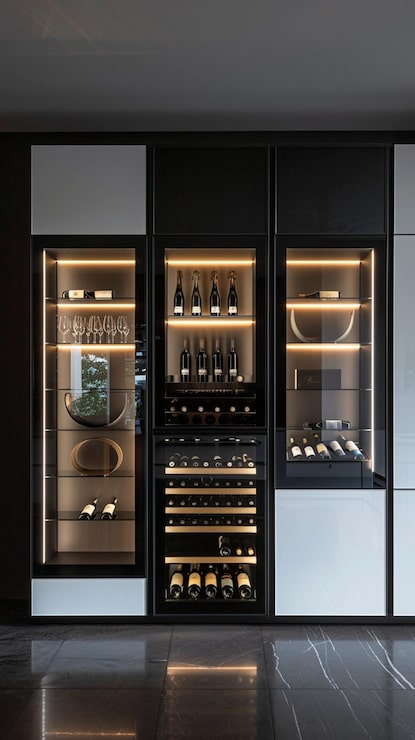
Acrylic Wine Cellar Ideas: Modern Designs for Luxury Homes
Wine storage has come a long way from dusty wooden racks tucked away in basements. Today, homeowners want their collections to be seen, not hidden and that's exactly why the acrylic wine cellar has become one of the most sought-after design trends in luxury homes. Combining sleek transparency with structural strength, acrylic cellars turn a functional storage need into a striking architectural feature.
If you're planning a renovation, building a new home, or simply want to reimagine your wine storage space, this guide walks through the most popular acrylic wine cellar ideas of the moment, why they work so well in modern interiors, and what to consider before installing one.
Why Acrylic Wine Cellars Are Trending in Luxury Homes
Traditional wine cellars relied on wood, stone, or metal racking systems, often built into enclosed, windowless rooms. While functional, they weren't designed to be admired. Acrylic changes that equation entirely.
Here's why designers and homeowners are gravitating toward acrylic wine cellars:
- Visual impact – Clear or tinted acrylic panels let the wine collection itself become the centerpiece of a room.
- Lightweight yet durable – Acrylic is significantly lighter than glass but just as strong, making it easier to install in custom shapes.
- Design flexibility – It can be molded into curves, floating shelves, and geometric patterns that wood or metal simply can't achieve.
- Better light interaction – Acrylic diffuses light beautifully, especially when paired with LED lighting, creating a gallery-like display.
- Low maintenance – Unlike wood, acrylic doesn't warp, rot, or absorb odors over time.
In short, an acrylic wine cellar isn't just storage it's a statement piece.
Modern Acrylic Wine Cellar Design Ideas
1. Floating Acrylic Wine Walls
One of the most popular features in contemporary homes is a floating wine wall rows of bottles that appear suspended in mid-air. This is achieved using nearly invisible acrylic supports that hold each bottle at an angle, creating a dramatic, weightless effect. These installations work particularly well in dining rooms, entryways, or as a divider between living spaces.
2. Acrylic Cube and Box Modules
Instead of long racks, many modern homes now use individual acrylic cubes or boxes stacked to form a modular wine wall. Each cube typically holds a single bottle, and the modular nature allows homeowners to expand the collection over time without redesigning the entire structure. This style pairs beautifully with minimalist or Scandinavian-inspired interiors.
3. Illuminated Acrylic Display Cellars
Acrylic's translucent quality makes it perfect for backlighting. LED strips embedded behind or within acrylic panels create a soft glow that highlights the color and shape of each bottle. This is especially popular in home bars, wine tasting rooms, and open-concept kitchens where the cellar doubles as ambient lighting.
4. Curved and Sculptural Acrylic Racks
Because acrylic can be heat-molded into custom shapes, many luxury homes now feature curved or spiral wine racks that wrap around a pillar, staircase, or corner. These sculptural designs turn awkward architectural spaces into functional, eye-catching storage.
5. Acrylic and Metal Hybrid Systems
For a more industrial-modern look, many designers combine acrylic shelving with brushed metal or matte black frames. This hybrid approach adds structural strength while keeping the airy, transparent aesthetic that acrylic is known for.
6. Freestanding Acrylic Wine Cabinets
Not every home has space for a built-in cellar. Freestanding acrylic cabinets offer a similar aesthetic on a smaller scale, making them ideal for apartments, condos, or homes where a dedicated cellar room isn't practical.

Acrylic vs. Traditional Wine Rack Materials
Acrylic doesn't necessarily replace wood or metal racking outright in many luxury homes, it's used strategically alongside traditional materials to balance warmth with a contemporary edge. For homeowners exploring different racking styles and materials before deciding on a final layout, it's worth learning more about wine racks in general to understand how various materials perform in terms of bottle capacity, humidity resistance, and long-term durability.
Key Considerations Before Installing an Acrylic Wine Cellar
Temperature and UV Exposure
While acrylic is durable, prolonged exposure to direct sunlight can cause discoloration over time. If your cellar has windows or skylights, consider UV-resistant acrylic coatings to protect both the material and the wine inside.
Weight Distribution
Even though acrylic is lightweight, a fully stocked wine wall carries significant weight. Structural planning is essential, especially for floating or wall-mounted designs, to ensure proper load-bearing support.
Climate Control Integration
Acrylic doesn't insulate the way stone or wood does, so pairing your display with a proper cooling and humidity system is essential for preserving wine quality especially in open-concept designs where the cellar is exposed to ambient room temperature.
Scratch Resistance
High-quality cast acrylic resists scratching far better than lower-grade extruded acrylic. When choosing materials, it's worth investing in premium-grade acrylic, especially for high-traffic areas like kitchens or entertaining spaces.
Cleaning and Care
Acrylic should be cleaned with soft microfiber cloths and non-abrasive cleaners. Avoid ammonia-based products, which can cause micro-cracking or clouding over time.
Where Acrylic Wine Cellars Work Best
- Open-concept living spaces – Where the cellar acts as a visual divider or focal point.
- Home bars and entertainment rooms – Combining storage with display for guests.
- Modern kitchens – Integrated wine walls near dining areas.
- Staircases and hallways – Curved acrylic racks that make use of otherwise unused space.
- Luxury condos and apartments – Freestanding acrylic units that don't require structural built-ins.
Final Thoughts
Acrylic wine cellars represent a shift in how homeowners think about wine storage not as a hidden necessity, but as an extension of interior design. Whether it's a dramatic floating wine wall, a softly lit display cabinet, or a sculptural curved rack wrapping around a staircase, acrylic offers a level of design freedom that traditional materials can't match.
Before finalizing your design, it's worth exploring different racking styles and materials to see what best complements your home's layout and aesthetic and function to make a more informed decision for your space.
With the right planning from UV protection to climate control an acrylic wine cellar can be both a functional storage solution and one of the most striking design features in a modern luxury home.