



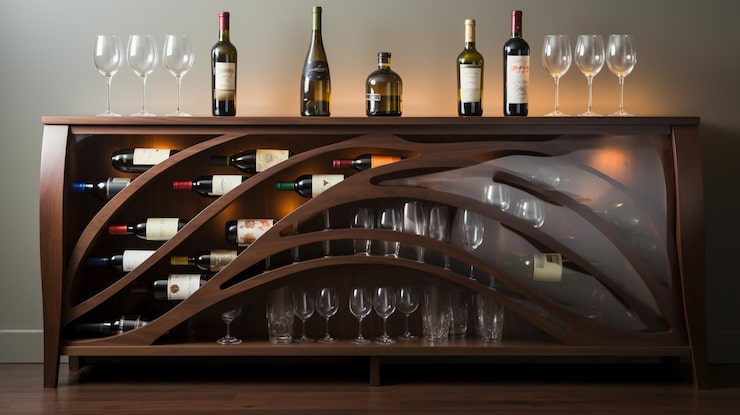
How Custom Fit Wine Racks Help Maximize Your Wine Storage Space
Anyone who has tried to squeeze one more bottle into an already-packed rack knows the frustration. You buy a few extra bottles during a weekend tasting trip, and suddenly your storage system just doesn't work anymore. Bottles end up stacked on the floor, tucked into kitchen cabinets, or shoved wherever there's an open gap. It's not just inconvenient, it can actually damage your collection over time.
This is where thoughtful, made-to-measure storage changes everything. Instead of forcing your bottles to fit a generic shelf, you design the shelf around your bottles, your room, and your habits. At Wine Appreciation, we've spent years watching collectors struggle with off-the-shelf units that waste space, trap heat, or simply don't hold enough. What follows is everything we've learned about why fitted storage works so well, and how it can transform even the most awkward corner of your home into a functional, beautiful cellar.
Why Custom Fit Wine Racks Outperform Standard Storage
Standard wine racks are built for an average scenario that rarely matches real life. Most homes have irregular walls, low ceilings, sloped ceilings under staircases, or oddly shaped alcoves that a mass-produced rack simply cannot use efficiently. When you install a generic unit, you often end up with wasted air space above, below, or beside it. That unused space could easily hold another dozen bottles if the rack had been designed correctly from the start.
Custom fit wine racks solve this problem at the design stage. A professional measures the exact dimensions of your space, including quirks like pipes, vents, or uneven flooring, and builds a storage system that hugs every available inch. There's no leftover gap, no awkward overhang, and no compromise on how many bottles you can actually store.
Beyond raw capacity, fitted racks also let you organize bottles by type, region, or vintage in a way that makes sense for how you actually drink and entertain. A generic rack forces uniform spacing regardless of bottle shape, but champagne bottles, Burgundy bottles, and standard Bordeaux bottles all have different diameters and lengths. When your storage is built around your actual collection, you avoid the wobbly, mismatched look of bottles crammed into slots that weren't meant for them.
There's also a practical safety angle here. Wine needs to rest on its side so the cork stays moist and doesn't dry out, which would let air seep in and spoil the bottle. A poorly fitted rack can leave bottles at odd angles or without enough support, increasing the risk of a slip or a broken bottle. When a rack is engineered to match your bottles precisely, each one sits securely, cradled exactly as it should be.
Maximizing Vertical and Awkward Spaces
One of the biggest advantages of custom fit wine racks is their ability to use vertical space that most people write off as unusable. Think about the area above a doorway, the narrow strip beside a refrigerator, or the triangular void beneath a staircase. These spots are usually ignored because standard furniture can't accommodate them.
A well-designed fitted rack turns these forgotten corners into genuine storage assets. Under-stair wine storage, for example, has become increasingly popular because it takes a completely dead zone and transforms it into a striking feature wall of bottles. Similarly, floor-to-ceiling designs along a narrow hallway wall can store hundreds of bottles without eating into your usable floor space.
This is particularly valuable for people living in apartments or smaller homes where a dedicated wine cellar simply isn't realistic. Fitted racks prove that you don't need a huge basement to build a serious collection. You need a smart plan that respects the space you already have.

Temperature, Humidity, and the Long-Term Health of Your Collection
Maximizing space isn't only about fitting more bottles into a room. It's also about protecting what you store. Wine is sensitive to temperature swings, light exposure, and vibration, all of which can quietly degrade flavor and aroma over months or years. A rack that's designed with your specific room in mind takes these factors into account from day one.
For instance, placing a rack too close to a heat source like a stove, dishwasher, or sunny window can slowly cook your wine without you realizing it. A custom fit wine racks approach considers airflow, nearby appliances, and even the direction of sunlight before finalizing a layout. This kind of attention to detail is something a boxed, one-size-fits-all rack from a big-box store simply cannot offer, because it was designed without any knowledge of your home's specific conditions.
Humidity matters too. Corks need a certain level of moisture in the air to stay pliable. Too dry, and the cork shrinks, letting oxygen in. Too humid, and you risk mold on labels or packaging. When a rack is planned alongside your room's ventilation and humidity patterns, you reduce these risks significantly. This is especially important for collectors who plan to age bottles for five, ten, or even twenty years, where small environmental mistakes compound into real financial losses.
Design Choices That Blend Function With Style
A storage system doesn't have to look purely utilitarian. In fact, one of the most rewarding parts of building fitted storage is choosing materials and finishes that reflect your personal taste while still being highly functional. Reclaimed wood, matte black metal, and even glass-front display cases have all become popular choices among collectors who want their wine to double as a design element in the home.
Because the racks are made to measure, you also have far more control over the visual rhythm of the room. You can choose diagonal cubbies for a more traditional cellar feel, horizontal rows for a modern minimalist look, or a mixed layout that separates everyday drinking bottles from special occasion vintages. This level of customization simply isn't available with pre-made units, which come in fixed shapes and finishes regardless of your preferences.
At Wine Appreciation, we've noticed that clients who invest in a fitted design tend to interact with their collection more often. When the rack looks intentional and feels like part of the room rather than an afterthought, people are more likely to display it proudly, host friends around it, and actually enjoy the process of choosing a bottle rather than digging through a cluttered closet.
Planning Your Layout Before You Build
Before any installation begins, it helps to think through a few practical questions. How many bottles do you currently own, and how many do you realistically expect to add over the next five years? Do you drink mostly still wine, or do you also collect champagne and sparkling varieties that require different storage angles? Are you storing wine purely for drinking soon, or are you aging bottles that need long-term stability?
Answering these questions honestly leads to a much better outcome than simply guessing at capacity. A rack built for twice your current collection gives you room to grow without needing a second renovation in a few years. On the other hand, overbuilding in a small room can make the space feel cramped or overwhelming, so balance matters.
It's also worth thinking about accessibility. Bottles you drink often should be within easy reach, while rarer vintages meant for aging can go higher up or deeper into a fitted unit where they'll be disturbed less frequently. Custom fit wine racks make this kind of tiered planning possible in a way that generic shelving units simply cannot replicate, since every slot and shelf height is decided based on your actual habits rather than a manufacturer's default template.

Working With Professionals Versus DIY Approaches
Some collectors are handy enough to attempt a fitted rack on their own, and for smaller projects this can work well. However, larger installations, especially those involving structural considerations like staircases, load-bearing walls, or humidity-controlled rooms, benefit enormously from professional input. An experienced installer understands weight distribution, proper bottle spacing, and how to avoid common mistakes like racks that sag over time or shelves that don't account for bottle expansion in warmer months.
Working with a team that specializes in this kind of project, like Wine Appreciation, also means you get access to design expertise you might not have considered. Small details, such as leaving a slightly wider gap near frequently accessed bottles or angling certain shelves for better light exposure, come from years of hands-on experience rather than guesswork. That expertise often pays for itself by preventing costly mistakes or wasted materials.
Final Thoughts
Storage space is one of the most overlooked factors in building a wine collection you'll actually enjoy for years to come. A fitted approach respects the unique shape of your home, protects your bottles from environmental damage, and turns an ordinary room into something that feels intentional and personal. Rather than settling for a rack that almost fits, or constantly running out of room, a tailored system grows with you and adapts to how you actually live and entertain.
Whether you're working with a spacious basement or a narrow hallway nook, the right design can make even limited square footage feel generous. If you're ready to stop compromising on storage and start building a system that truly fits your space and your collection, the team at Wine Appreciation is glad to help you plan a layout that works now and for years to come.
Frequently Asked Questions
How much does a custom fit wine rack typically cost compared to a standard rack?
Pricing varies based on materials, size, and complexity, but fitted racks generally cost more upfront than off-the-shelf units because they involve measuring, design, and often professional installation. Many collectors find the investment worthwhile since it prevents wasted space and reduces the need for future upgrades.
Can a fitted rack be installed in a room without climate control?
Yes, though it's worth discussing your room's natural temperature and humidity patterns with a designer first. Some layouts can be adjusted to minimize exposure to heat or direct sunlight even without mechanical climate control.
How long does installation usually take?
Smaller projects can often be completed in a day or two, while larger custom builds involving staircases or full rooms may take a week or more depending on complexity.
Is it possible to expand a fitted rack later if my collection grows?
In many cases, yes. Discussing future growth during the initial design phase makes it easier to plan for modular additions down the line.
Do fitted racks work for both red and white wine storage?
Absolutely. A well-planned layout can include sections designed for different bottle shapes and serving needs, whether you're storing bold reds for aging or crisp whites for shorter-term enjoyment.