



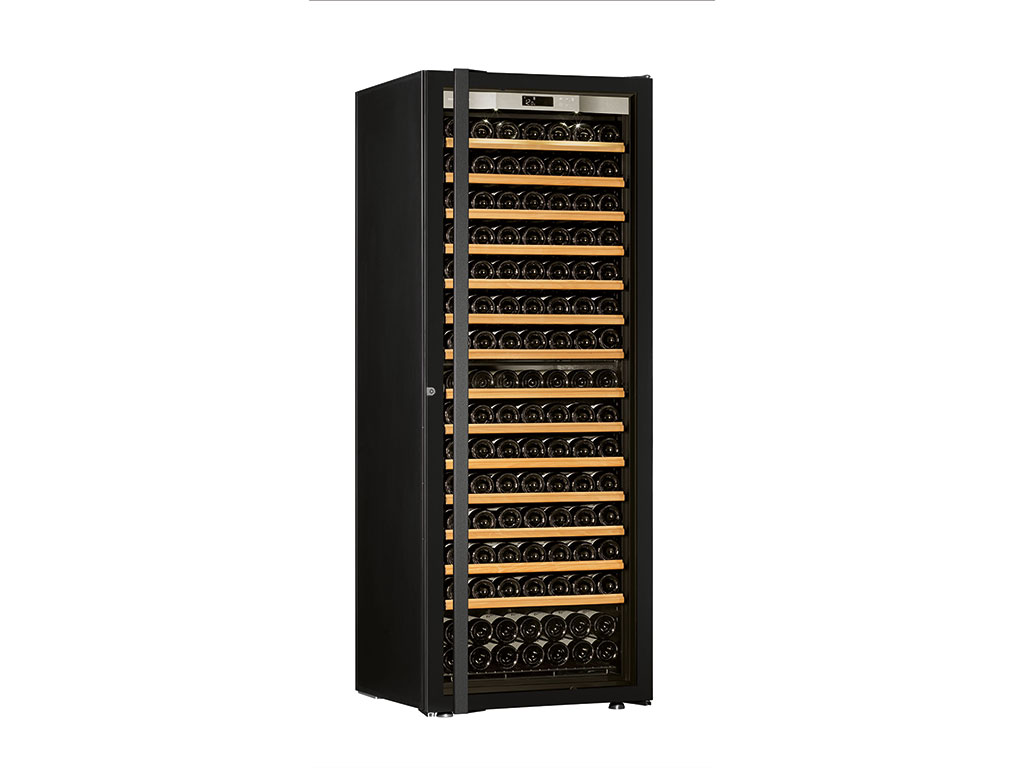
How to Choose the Right Transtherm Wine Cabinet by EuroCave for Your Home
If you have ever left a bottle of wine on a kitchen counter for a few weeks, only to open it and find it flat, overly warm, or simply not tasting the way it should, you already understand why serious collectors do not treat wine storage as an afterthought. A properly chosen Transtherm by Eurocave brings the stable temperature, humidity and darkness of a traditional underground cellar into a home that may not have a cellar at all. But with so many sizes, finishes and technologies on the market, working out which model actually suits your home, your collection and your budget can feel like a project in itself.
This guide walks through everything worth thinking about before you buy, from bottle capacity and cooling technology to how a cabinet will sit alongside your existing furniture.
What Makes a Transtherm by Eurocave Wine Cabinet Different
Transtherm wine cabinets are manufactured by EuroCave, a company with decades of experience designing professional wine storage solutions. Transtherm cabinets are engineered for collectors who want the stability, protection, and long-term performance traditionally associated with cellar storage. Rather than simply chilling bottles the way a drinks fridge does, a Eurocave-built cabinet is engineered to reproduce the specific conditions found in a well-built underground cellar: a steady temperature around 55°F, humidity in the 50–80% range, gentle air circulation, and complete protection from light and vibration.
Transtherm wine cabinets are designed for collectors seeking professional, long-term wine storage. Wine Appreciation specializes in Transtherm cabinets, offering solutions built around stability, performance, and protecting valuable collections.
Understanding Your Wine Storage Needs
Before comparing models, it helps to be honest about how you actually drink and collect. Wine storage needs vary enormously between someone who buys a case a month to drink within the year, and someone building a cellar of bottles meant to age for a decade or more.
How Many Bottles Do You Actually Need to Store
Many collectors make the mistake of choosing a cabinet based only on their current collection size. A better approach is to consider where your collection will be in five to ten years. A cabinet that is full immediately may limit your ability to continue collecting.Count your current collection, then add a realistic margin for growth. Most people underestimate how quickly a rack fills up once storage stops being a constraint.
• Casual drinkers: 12–50 bottles is usually plenty for a rotating everyday selection.
• Enthusiasts: 100–300 bottles suits people who buy by the case and like variety on hand.
• Serious collectors: 300+ bottles, often split across more than one cabinet or a dedicated cellar room.
Aging vs Serving: Two Different Jobs
A long-term aging cabinet and a short-term serving cabinet are not the same tool. For a deeper comparison between professional wine cabinets and residential wine refrigerators, see our guide to professional wine cabinet vs wine refrigerator. Aging cabinets hold a single stable temperature for reds, whites and champagne together, protecting the wine while it slowly matures. Serving or dual-zone cabinets let you keep whites colder and ready to pour while reds sit slightly warmer, which suits households that entertain often.

Key Features to Look For in a Professional Wine Cabinet
Temperature Control and Stability
Stability matters more than the exact number on the dial. Wine that repeatedly warms and cools ages faster and less predictably than wine held at a constant temperature, even a slightly imperfect one. Look for cabinets with compressor technology built for low vibration and a tight temperature band, adjustable between roughly 42°F and 64°F depending on the model.
Humidity Regulation
Corks dry out in low humidity and can let air seep in, which is one of the most common causes of spoiled bottles in home storage. A good cabinet maintains humidity naturally through its insulation and airflow design, without needing constant intervention from you.
UV Protection and Anti-Vibration Shelving
Sunlight and household vibration (from footsteps, appliances, even speakers) both degrade wine over time. Solid or UV-filtered glass doors, along with shock-absorbing shelving, protect bottles from both without you needing to think about it day to day.
Sizing and Placement: Fitting a Wine Cabinet Into Your Home
A wine cabinet is a piece of furniture first and a storage appliance second, so it needs to earn its place in a room the same way a sideboard or console table would. Measure the intended spot carefully, allowing clearance for door swing, ventilation at the back and sides, and enough floor loading capacity if you are choosing a taller, freestanding model.
• Dining rooms suit taller showcase cabinets with glass doors, where the wine becomes part of the room's décor.
• Kitchens work best with built-in or under-counter units that match existing cabinetry lines.
• Home bars and entertaining spaces suit dual-zone cabinets positioned near glassware and serving furniture.
• Studies or home offices can house a smaller single-zone cabinet as a quieter, more personal collection.
Matching the cabinet's finish to your existing furniture (dark walnut, matte black, brushed steel) makes a real difference to how integrated the piece feels, rather than looking like an appliance dropped into a living space.

Budget Considerations
Prices for genuine Eurocave-built cabinets vary widely depending on capacity, door style and finish. As a general guide for the US market:
• Entry-level single-door cabinets: roughly $2,800–$3,600
• Mid-range cabinets with glass doors and finer finishes: roughly $3,600–$4,700
• Larger prestige and dual-compartment models: roughly $4,700 and upward
It is worth thinking of a wine cabinet as a long-term purchase rather than a one-off appliance cost. A well-built unit protects a collection worth many times its own price, and a good compressor system is designed to run reliably for years with minimal servicing.
Maintenance and Long-Term Care
Good wine cabinets are largely self-sufficient, but a little routine care extends their working life considerably.
• Wipe down door seals periodically to keep them airtight.
• Keep the area around the unit clear so air can circulate properly.
• Avoid overloading shelves beyond their rated capacity, particularly with heavier magnum bottles.
• Have the cooling system serviced if you notice unusual noise or a struggle to hold temperature.
If a component does need replacing, our wine cooling units guide explains how the cooling systems inside these cabinets work and what to check first.
Frequently Asked Questions
Is a Eurocave wine cabinet worth the investment?
For anyone storing bottles for more than a year or two, yes. The stable temperature, humidity control and vibration protection genuinely affect how well wine ages, which is difficult to replicate with a standard fridge or an unconditioned room.
What is the ideal wine storage temperature for a home cabinet?
Most wines age best around 55°F, which is why Eurocave-built cabinets are calibrated to hold that figure by default, with an adjustable range for people who want to fine-tune for specific styles such as champagne or fortified wine.
How do Eurocave cabinets compare with the best wine cabinets from other brands?
Eurocave-built Transtherm cabinets tend to lead on temperature accuracy and proven longevity, while US-made brands like Le Cache focus more heavily on cabinetry craftsmanship. Both are considered among the best wine cabinets available, so the right pick often comes down to finish preference and budget.
Can a wine cabinet double as furniture in a small home?
Yes. Many buyers choose a Eurocave-built cabinet specifically because it can sit in a dining room or living space as a statement piece, rather than being tucked away in a basement or dedicated cellar room.
How often does a wine storage cabinet need servicing?
Most units run for years without intervention beyond basic cleaning. A professional check every few years, or sooner if you notice temperature drift or unusual noise, keeps the compressor and seals performing as intended.
What size wine cabinet should I buy for a growing collection?
A good rule of thumb is to buy for roughly 50% more bottles than you currently own. Collections tend to grow faster than expected once storage space stops being a limiting factor.
Conclusion
Choosing the right wine cabinet is less about picking the most expensive model and more about matching capacity, cooling technology and finish to how you actually live and collect. A genuine Eurocave-built Transtherm wine cabinet earns its reputation through decades of consistent performance, but the right wine cabinet depends on your collection size, available space, and long-term storage goals. Wine Appreciation helps collectors select professional wine storage solutions designed to protect their collections for years to come.