



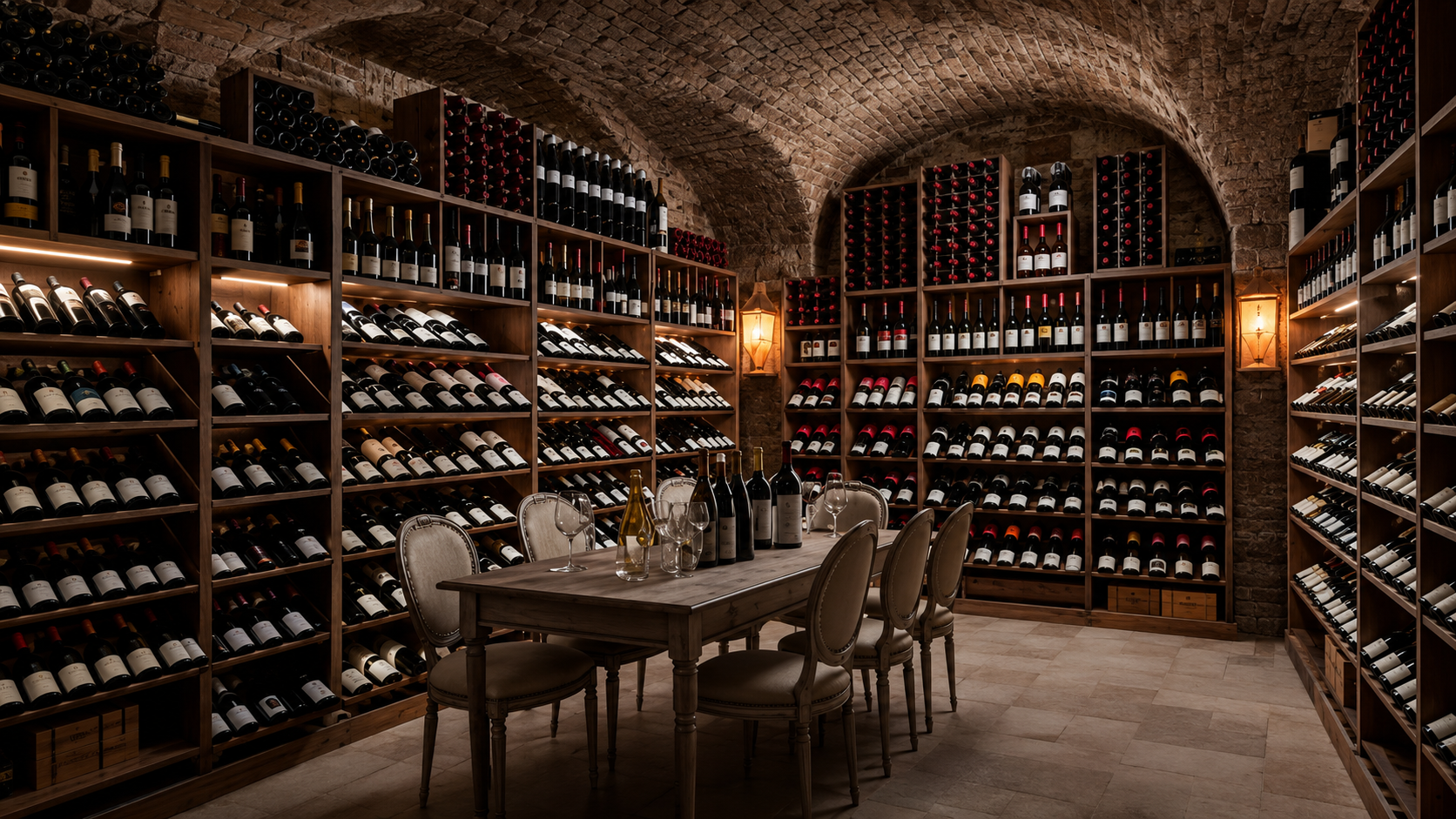
What to Look for in a Wine Racking Before Buying Your First Wine Rack
Buying your first wine rack feels simple until you actually start looking. Scroll through enough listings and you'll find everything from a basic single bottle wine rack for a kitchen counter to full floor to ceiling cellar systems, all sold with roughly the same three product photos and a vague description. The rack itself matters, obviously. But so does the wine rack manufacturer you buy it from because a rack that's badly made, wrongly sized, or unsuitable for your climate can undo months of careful bottle collecting in a single afternoon.
This guide walks through exactly what separates a trustworthy wine rack s from one that's simply moving stock, and what to check before you hand over your card details.
Why the Wine Rack Manufacturer You Choose Matters More Than the Rack Itself
It's tempting to treat a wine rack as a fairly interchangeable bit of furniture — after all, it's just holding bottles at an angle. In practice, the manufacturer behind the product shapes almost everything that happens after delivery: whether the fixings included are the right ones for your wall type, whether someone can talk you through humidity and vibration concerns, and whether you've got any recourse if a shelf arrives warped.
A manufacturer that genuinely understands wine storage will ask about your space before recommending a product, rather than pushing whatever's discounted that week. That single habit tends to predict almost everything else about the buying experience.
Material Quality: The First Thing a Good Wine Rack Manufacturer Should Explain Clearly
Ask any experienced retailer and they'll tell you material choice is where most first-time buyers get caught out. A manufacturer worth your time will explain, unprompted, what a rack is actually made from and why that material suits its intended use.
Solid Wood
Kiln-dried hardwoods such as oak, mahogany, and redwood resist warping better than softwoods and tend to age well in a dedicated cellar. A good manufacturer will tell you the wood species and whether it's been treated for a humid environment, not just call it "wood".
Metal and Steel Racking
Powder coated steel and aluminium racks are common in modular systems and wall-mounted rails, prized for their slim profile and load-bearing strength. Ask whether the coating is rust-resistant, particularly if the rack will live somewhere with any moisture.
Acrylic and Mixed-Material Panels
Acrylic pegs and panels have become popular for their minimalist look, especially for a single bottle wine rack mounted as a feature piece on a wall. They're lightweight and easy to install, but weight limits vary a great deal between brands, so this is worth asking about directly. 
Design and Furniture Fit: Does the Rack Actually Belong in Your Home?
A wine rack is furniture first and storage second, in the sense that it sits in a room you look at every day. A manufacturer that only sells warehouse-style metal racking probably isn't the right fit if you're furnishing a period dining room, just as an ornate carved wooden unit will look out of place bolted to the wall of a modern loft kitchen.
Look for a manufacturer that photographs its racks in realistic room settings, offers a few finish options, and can advise on how a piece will sit alongside existing furniture such as a sideboard, drinks cabinet, or dining table. This is also where a wine cabinet can come into the conversation, since some buyers eventually want enclosed, temperature-stable storage rather than open racking.
If you're weighing up open racking against enclosed storage, it's worth comparing wine cabinets alongside standard racking before deciding, since the right choice depends on your room's temperature stability as much as your décor.
Customer Service, Guidance, and Genuine Expertise
This is where EEAT-style thinking applies just as much here as it does to any other purchase: experience, expertise, authority, and trust. A wine rack manufacturer staffed by people who understand wine storage not just furniture sales will happily answer questions about bottle orientation, ideal room temperature, and how much weight a wall rail can safely hold.
• Ask how long the manufacturer has been trading and whether it specializes in wine storage specifically, rather than general homeware.
• Check whether product pages list weight capacity, dimensions, and fixing requirements in full.
• Look for a published returns and warranty policy, not just a line buried in the terms and conditions.
• See whether the manufacturer offers a consultation or design service for larger installations.
A manufacturer with decades of hands-on cellar design experience, such as the team behind Wine Appreciation's custom wine rack and cellar design service, tends to give far more useful guidance than a generic homeware retailer that happens to stock a few racks.
Installation, Wall Fixings, and Wine Storage Basics
Good wine storage depends on more than the rack itself. Bottles are best kept on their side to keep corks moist, away from direct sunlight, and somewhere temperature stays fairly stable rather than swinging between hot and cold. A reputable wine rack manufacturer will mention this in product descriptions rather than leaving you to work it out after delivery.
For wall-mounted rails and panel systems, check exactly what fixings are included and whether they suit your wall type stud walls, brick, and plasterboard all need different anchors. If the manufacturer doesn't specify this anywhere, it's worth asking directly before you buy, particularly for anything holding more than a few bottles at height.
• Confirm whether fixings for stud, brick, or masonry walls are included or sold separately.
• Ask for the maximum safe load per shelf, rail, or peg.
• Check if installation instructions or video guides are provided.
• For a single bottle wine rack mounted as a display piece, confirm it can be removed and repositioned without damaging the wall.
Frequently Asked Questions
What should I look for in a wine rack manufacturer as a first-time buyer?
Look for clear material specifications, published weight limits, real dimensions, a proper returns policy, and staff who can answer wine storage questions rather than just processing orders.
Is a single bottle wine rack a good starting point for a small collection?
Yes, a single bottle wine rack (often sold as an individual peg or small wall mount) works well for gifting, feature displays, or testing out wall-mounted storage before committing to a larger modular system.
What is the ideal wine storage temperature for a home rack?
Most wines keep best somewhere between roughly 12 and 18 degrees Celsius, with minimal temperature swings and away from direct sunlight. A dedicated cooling unit is worth considering if your room runs warmer than this year-round.
Should I choose wood, metal, or acrylic for my first wine rack?
It depends on your room and your collection size. Solid wood suits traditional cellars and dining rooms, metal rail systems are popular for their slim, modular design, and acrylic panels or pegs work well for minimalist feature walls.
How do I know if a wine rack manufacturer is reputable?
Check how long they've traded, whether they specialize in wine storage rather than general furniture, whether product pages list full specifications, and whether reviews mention helpful pre-sale advice rather than just delivery speed.
Can I mix a single bottle wine rack with a larger racking system later?
In most modular ranges, yes wall pegs, rails, and panels from the same collection are usually designed to be added to over time, so a small starting piece doesn't need to be replaced as your collection grows.
Final Thoughts
Choosing the right wine rack manufacturer isn't about finding the flashiest product photo it's about finding a retailer that treats wine storage as a craft rather than an afterthought. Whether you're after a single bottle wine rack for a kitchen wall or planning out a proper cellar, the questions are the same: what's it made from, how much weight can it hold, and will someone actually help if something goes wrong.