



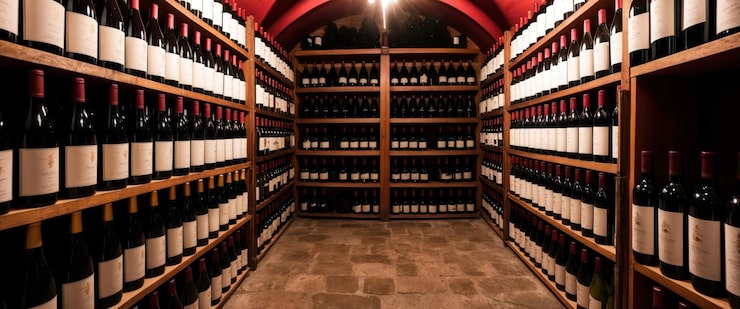
Wine Cellar Storage Tips to Keep Bottles Perfectly Aged
There is a quiet pleasure in opening a bottle you have saved for years. The cork comes out smoothly, the aromas are layered and expressive, and the wine tastes more complete than it did when you first bought it. That transformation does not happen by chance. It depends on how the bottle was stored.
At Wine Appreciation, we work with collectors who want to protect the wines they love. Whether you own a few treasured bottles or a growing collection, understanding proper storage can make a remarkable difference in how your wine develops over time.
This guide covers practical wine cellar storage tips that help maintain ideal aging conditions and preserve the quality of every bottle.
Why Storage Conditions Matter So Much
Wine continues to evolve after bottling. Tannins soften, acidity becomes more integrated, and flavors grow more complex. But this process is delicate.
When wine is exposed to heat, direct light, or dry air, it can age too quickly or spoil altogether. Even a great vintage can lose its character if storage conditions are inconsistent.
Good cellar storage protects your investment and ensures that each bottle reaches its full potential.
Keep Temperature Consistent
The most important factor in wine storage is temperature stability.
The ideal temperature for long-term aging is around 55°F (13°C). Slight variations are acceptable, but sudden swings are harmful.
What Happens When Wine Gets Too Warm?
Excess heat speeds up chemical reactions inside the bottle, causing wine to taste flat or “cooked.” This is one of the most common reasons bottles age poorly.
What Happens When Wine Gets Too Cold?
Cold temperatures are less damaging than heat, but repeated freezing and thawing can push the cork out and allow oxygen into the bottle.
Practical Tip
Use a dedicated wine cellar cooling unit rather than a standard air conditioner. Wine cooling systems are designed to maintain both temperature and humidity.
Maintain Proper Humidity
Humidity plays a major role in keeping corks healthy.
The ideal humidity level for a wine cellar is 60% to 70%.
If the air is too dry, corks can shrink and allow oxygen to seep in. Too much humidity may damage labels and encourage mold growth.
A simple digital hygrometer can help you monitor conditions accurately.
Store Bottles on Their Side
Wines sealed with natural cork should be stored horizontally.
This keeps the cork in contact with the wine, helping it stay moist and flexible.
When corks dry out, they become brittle and may allow air to enter the bottle. Horizontal storage also makes better use of cellar space and keeps labels easy to read.
Protect Bottles from Light
Light, especially ultraviolet light, can degrade wine over time.
This process, sometimes called “light strike,” can alter aromas and mute delicate flavors.
Best Practices
- Keep your cellar dim.
- Use LED lighting that produces minimal heat.
- Install UV-protected glass if your cellar has a display door.
Wine is happiest in a dark and quiet environment.
Minimize Vibration
Wine ages best when left undisturbed.
Constant vibration can prevent sediment from settling and may interfere with the aging process.
Avoid storing bottles near:
- Washing machines
- Treadmills
- Refrigerators
- Furnace rooms
A dedicated wine cellar cooling system is designed to operate with very little vibration.
Use Quality Wine Racks
Well-built racks keep bottles secure and organized.
Wood and metal wine racks are both excellent options. The right design should support bottles evenly and make labels easy to identify.
At Wine Appreciation, many collectors choose custom wine racks to maximize available space and accommodate different bottle sizes.

Organize Your Collection Thoughtfully
A growing wine collection can become difficult to manage without a clear system.
Consider organizing bottles by:
- Region
- Grape variety
- Vintage
- Producer
- Drinking window
Maintaining a digital inventory helps you track what you own and know when each bottle is ready to enjoy.
Choose the Right Wine Cellar Cooling Unit
Standard household cooling systems are not suitable for long-term wine storage.
Wine cellar cooling units are designed to maintain consistent temperature and balanced humidity.
When selecting a cooling system, consider:
- Cellar size
- Insulation quality
- Door construction
- Heat generated by lighting
The right cooling system is the backbone of a reliable wine cellar.
Keep Air Fresh and Odor-Free
Wine corks are slightly porous, which means strong smells can eventually affect the wine.
Avoid storing paint, cleaning chemicals, or scented products in the cellar.
Good ventilation helps maintain a neutral environment and protects the wine from unwanted odors.
Avoid Frequent Handling
Once bottles are properly stored, leave them alone.
Repeated movement disturbs sediment and can interfere with the natural aging process.
The best practice is simple: place bottles securely and move them only when it is time to serve.
Understand Which Wines Age Well
Not every wine improves with age.
Many affordable wines are intended to be consumed within a few years of release.
Wines that typically age well include:
- Cabernet Sauvignon
- Bordeaux blends
- Barolo
- Brunello di Montalcino
- Riesling
- Vintage Port
- Champagne
Knowing a wine’s aging potential helps you make better storage decisions.
Inspect Your Cellar Regularly
Even a well-designed cellar benefits from occasional checks.
Monitor temperature and humidity, inspect cooling equipment, and look for signs of mold or leaking.
A few minutes of maintenance each month can prevent costly problems later.
Common Wine Storage Mistakes to Avoid
Collectors often make these avoidable mistakes:
- Storing wine in a kitchen or garage
- Ignoring humidity levels
- Using regular air conditioning
- Exposing bottles to sunlight
- Overcrowding racks
- Forgetting inventory records
Avoiding these issues greatly improves long-term results.
Final Thoughts
A wine cellar is more than a storage space. It is a controlled environment that allows wine to mature slowly and gracefully.
By maintaining stable temperature, proper humidity, minimal light, and low vibration, you give your bottles the conditions they need to develop complexity and character.
At Wine Appreciation, we believe that great wine deserves thoughtful care. When stored correctly, each bottle tells a richer story when the moment finally arrives to uncork it.
Frequently Asked Questions
What is the ideal temperature for a wine cellar?
Around 55°F (13°C) is considered ideal for long-term wine storage.
What humidity level should a wine cellar maintain?
A range of 60% to 70% helps preserve cork integrity.
Should wine bottles be stored horizontally?
Yes, bottles with natural corks should be stored on their side to keep the cork moist.
Can all wines be aged?
No. Many wines are meant to be enjoyed young, while only certain styles improve with age.
How often should I check my wine cellar?
A monthly inspection is usually enough to monitor temperature, humidity, and equipment performance.