



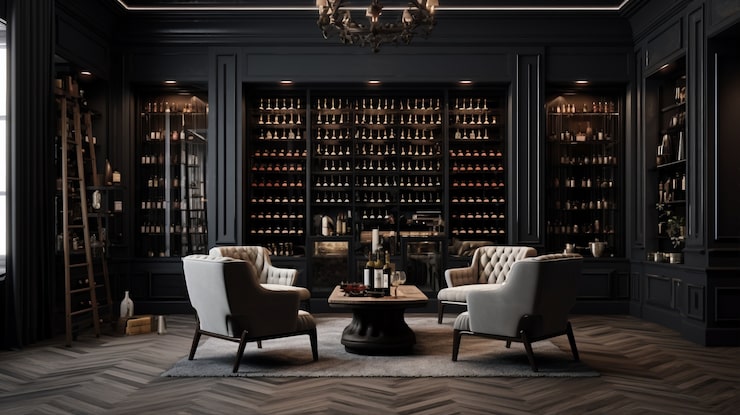
7 Stunning Custom Wine Cellar Design Ideas for 2026
A well-designed wine cellar does more than store bottles. It protects wine quality, improves organization, and adds character to a home. In 2026, homeowners are focusing on custom wine cellar design ideas that combine functionality with modern aesthetics. From compact residential wine rooms to luxury glass displays, wine storage is becoming an important part of home design.
Wine Appreciation understands that every wine collection is different. Some collectors need space-saving solutions, while others want a showpiece cellar for entertaining guests. The right design depends on available space, wine quantity, climate control needs, and personal style preferences.
Below are seven stunning custom wine cellar design ideas that are expected to stand out in 2026.
1. Modern Glass Wine Cellars
Glass wine cellars continue to grow in popularity because they create a clean and elegant appearance. These cellars often feature frameless glass doors, LED lighting, and minimalist metal wine racks.
Homeowners are adding glass wine rooms near dining spaces, kitchens, and entertainment areas to display collections without hiding them behind walls. This style works especially well in modern homes because it blends wine storage with interior design.
Why It Works
- Makes wine collections visually appealing
- Creates an open and spacious feel
- Fits modern and luxury interiors
- Easy to customize with lighting and shelving
For proper storage, insulated glass and temperature-controlled cooling systems are essential to maintain consistent humidity and temperature levels.
2. Walk-In Wine Cellars With Tasting Areas
Many wine lovers now want more than simple storage. Walk-in wine cellars with small tasting areas create a complete wine experience at home.
These custom wine cellar designs include seating, tasting tables, accent lighting, and decorative finishes like stone or wood. They turn wine storage into a relaxing space for gatherings and wine appreciation.
Popular Features in 2026
- Built-in tasting counters
- Comfortable seating
- Display shelving for premium bottles
- Smart climate monitoring systems
This design works best for homeowners with larger spaces or dedicated wine rooms.
3. Under-Stair Wine Cellars
One of the smartest ways to maximize unused space is by transforming the area beneath stairs into a wine cellar. Under-stair wine storage has become extremely popular in modern homes where space efficiency matters.
Custom racks can be designed to fit angled walls while still maintaining proper airflow and organization.
Benefits
- Uses otherwise wasted space
- Adds visual interest to interiors
- Suitable for small and medium collections
- Can include glass enclosures for display
Wine Appreciation often recommends this option for homeowners looking for practical storage without sacrificing living space.
4. Rustic Wooden Wine Cellars
Classic wooden wine cellars remain timeless in 2026. Natural wood materials such as mahogany, walnut, and redwood continue to be favorites because they create warmth and traditional elegance.
Rustic wine cellars usually feature:
- Wooden wine racks
- Barrel-inspired décor
- Stone walls
- Soft ambient lighting
This style is ideal for collectors who prefer a traditional wine cellar atmosphere. Wood also works well in maintaining stable storage conditions when combined with professional cooling systems.
5. Smart Wine Cellars With Technology Integration
Technology is becoming an important part of custom wine cellar design. Smart wine cellars allow collectors to monitor conditions remotely through mobile apps and automated systems.
Smart Features to Consider
- Temperature alerts
- Humidity monitoring
- Automated cooling adjustments
- Digital inventory tracking
- Motion-sensor lighting
These features help protect valuable wine collections and make management easier for homeowners. Smart technology is especially useful for long-term wine aging.
As wine collections grow, digital organization tools can also help track bottle locations, purchase dates, and aging timelines.
6. Floor-to-Ceiling Wine Displays
Large vertical wine displays are becoming a major design trend in luxury homes. Floor-to-ceiling racks create dramatic visual impact while maximizing bottle capacity.
These installations often become the centerpiece of dining rooms or entertainment spaces.
Why Homeowners Love This Style
- Creates a luxury appearance
- Maximizes vertical storage
- Makes wine easy to organize
- Works well with modern lighting designs
Metal and acrylic wine racks are frequently used for this style because they create a sleek and contemporary look.
Proper cooling placement is important in tall wine displays to ensure even temperature distribution throughout the cellar.

7. Compact Custom Wine Rooms for Small Homes
Not every homeowner has space for a large wine cellar. Compact wine rooms are becoming increasingly common in apartments, condos, and smaller homes.
These small-scale custom wine cellar designs focus on efficiency without compromising wine preservation.
Key Design Elements
- Modular wine racks
- Built-in cooling systems
- Space-saving shelving
- Multi-purpose storage layouts
Even a small wine room can look elegant when carefully planned. Lighting, rack material, and organization play a major role in improving both appearance and functionality.
Wine Appreciation encourages homeowners to focus on proper climate control first before selecting decorative features.
Important Factors to Consider Before Building a Wine Cellar
Before choosing a wine cellar design, several practical considerations should be evaluated.
Temperature Control
Wine should generally be stored between 55°F and 58°F to preserve quality over time. Sudden temperature fluctuations can damage wine and affect aging.
Humidity Levels
Proper humidity helps prevent corks from drying out. Most wine cellars maintain humidity between 50% and 70%.
Lighting
Excessive sunlight and heat exposure can harm wine. Soft LED lighting is commonly recommended because it produces minimal heat.
Storage Capacity
Think about future wine collection growth. Many homeowners underestimate how quickly collections expand.
Rack Materials
Wood, metal, and acrylic racks each provide different visual styles and storage benefits. The right material depends on the overall design theme.
Why Custom Wine Cellar Design Matters
A professionally planned custom wine cellar design protects wine investments while improving convenience and organization. It also adds value and visual appeal to a home.
In 2026, homeowners are prioritizing wine storage solutions that combine beauty with practical functionality. Whether you prefer a modern glass cellar or a rustic wooden retreat, the right design should reflect both your collection size and lifestyle.
Wine Appreciation continues to help wine enthusiasts explore storage ideas that support proper wine care while creating beautiful home environments.
Conclusion
The best custom wine cellar design ideas for 2026 focus on smart functionality, efficient storage, and personalized style. From compact under-stair cellars to luxurious walk-in tasting rooms, homeowners now have more creative options than ever before.
A successful wine cellar is not only about appearance. Proper cooling, humidity control, and organization are equally important for preserving wine quality over time.
By choosing a design that matches your space, collection, and lifestyle, you can create a wine storage solution that remains practical, elegant, and enjoyable for years to come.
Frequently Asked Questions
What is the ideal temperature for a wine cellar?
Most wine experts recommend storing wine between 55°F and 58°F for long-term preservation.
How much space do I need for a custom wine cellar?
The required space depends on the collection size. Even small unused areas like closets or under-stair spaces can be converted into functional wine storage rooms.
Are glass wine cellars good for wine storage?
Yes, when insulated glass and proper cooling systems are used. Temperature stability is important for protecting wine quality.
What materials are best for wine racks?
Wood, metal, and acrylic are popular options. Wood offers a traditional look, while metal and acrylic create modern designs.
Can a wine cellar increase home value?
A professionally designed wine cellar may improve a home's appeal, especially for buyers interested in luxury features and wine collecting.
Do wine cellars require humidity control?
Yes. Proper humidity levels help prevent corks from drying out and protect wine during aging.