



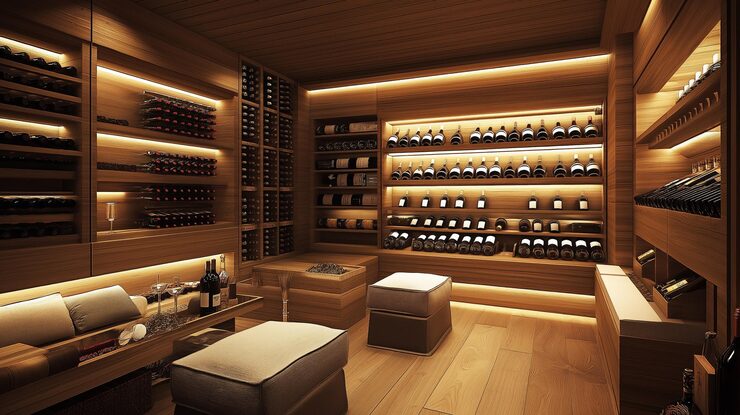
Custom Wine Cellar Design Ideas That Combine Style and Function
If you have ever walked into a beautifully designed wine cellar, you already know that feeling part gallery, part sanctuary, entirely impressive. But a great wine cellar is not just about looking good. It needs to work. Temperature control, bottle capacity, accessibility, and long-term preservation all matter just as much as the aesthetics.
At Wine Appreciation, we believe your wine collection deserves a home that reflects both your personality and your passion. Whether you are converting a spare room, finishing a basement, or building from scratch, the right custom wine cellar design can do both — protect your investment and make a lasting statement.
Here are the best ideas to help you combine style and function beautifully.
Start With a Clear Vision and Layout Plan
Before picking materials or lighting, think about how you actually use your collection. Do you store wines for decades or rotate bottles frequently? Are you building for personal use or entertaining guests?
A well-planned layout separates bulk storage from display areas. Dedicated sections for reds, whites, and sparkling wines help with organization. Building in a small tasting area even just a countertop and two stools adds real everyday value without requiring a massive footprint.
Custom wine cellar design works best when the layout reflects real habits, not just an ideal image.
Choose the Right Racking System for Your Space
Racking is the backbone of any wine cellar. The material and style you choose will define both the look and the longevity of your storage.
Wood racking remains the most popular choice. Redwood and mahogany are naturally resistant to moisture and rot, making them ideal for the humid environment a wine cellar requires. They age gracefully and bring warmth to the space.
Metal and iron racking offers a more industrial, modern aesthetic. It is incredibly durable and pairs well with concrete walls or dark stone flooring.
Modular racking systems are perfect if your collection is still growing. You can start small and expand without redesigning the entire cellar.
At Wine Appreciation, we always recommend investing in quality racking. Poorly built racks can compromise bottle positioning, which directly affects how wine ages.
Get Climate Control Right — It Is Non-Negotiable
No design element matters more than temperature and humidity. Wine storage requires a consistent temperature between 55°F and 58°F, with humidity levels around 60 to 70 percent.
A dedicated wine cooling unit is essential. Unlike standard air conditioning, wine-specific cooling systems maintain stable humidity without drying out corks. Vibration-free units are strongly preferred, as vibration disturbs sediment and disrupts the aging process.
If your cellar is below ground, you naturally benefit from cooler, more stable temperatures. Above-ground cellars require more insulation and a more powerful cooling system.

Use Lighting to Highlight Without Damaging
Lighting sets the mood, but UV rays damage wine. Always use LED lighting in your cellar. LED lights produce minimal heat and no UV radiation, keeping your collection safe while creating a rich, gallery-like atmosphere.
Under-rack lighting draws attention to label displays. Recessed ceiling lights provide even overall illumination. Accent lighting on a feature wall or a curved display rack creates drama without risk.
Warm white tones between 2700K and 3000K complement wood tones and give the space a welcoming, intimate feel.
Incorporate a Statement Feature Wall
A feature wall transforms a functional space into an experience. Popular options include:
- Exposed brick for a rustic, old-world feel
- Natural stone for an earthy, premium look
- Dark stained wood panels for a contemporary, rich aesthetic
- Glass walls that allow guests to view the cellar from an adjoining room
Wine Appreciation has seen glass-walled cellars become increasingly popular in open-plan homes. They turn the wine collection into a design centerpiece visible from the living or dining area.
Do Not Overlook Flooring and Ceiling Details
Slate, stone, and terracotta tiles are excellent flooring choices. They are durable, moisture-resistant, and visually appropriate for a cellar environment. Avoid carpet entirely it traps moisture and encourages mold.
For ceilings, arched designs add architectural elegance and create a sense of depth. Barrel-vaulted ceilings in particular give the space a classic European cellar feel that never goes out of style.
Conclusion
A custom wine cellar design is one of the most rewarding home investments you can make both personally and financially. When done right, it protects your collection, enhances your home's value, and creates a space you will genuinely love spending time in.
The key is balancing function with beauty. Every decision, from racking material to lighting temperature, should serve your wine first and your aesthetic second. When both goals align, the result is extraordinary.
At Wine Appreciation, we are passionate about helping wine lovers build cellars that truly reflect their journey. Your collection tells a story your cellar should tell it beautifully.
Frequently Asked Questions
Q: How much does a custom wine cellar design typically cost?
Costs vary widely based on size, materials, and cooling systems. A small residential cellar can start around $5,000, while larger, fully custom builds can exceed $50,000. The investment almost always adds to home resale value.
Q: What is the ideal size for a home wine cellar?
Even a 25 to 50 square foot space can hold several hundred bottles when designed efficiently. The right size depends on your current collection and how much you plan to grow it.
Q: Can I convert a closet into a wine cellar?
A well-insulated closet with a small cooling unit can function beautifully as a compact wine cellar. Proper sealing and vapor barriers are essential for smaller conversions.
Q: How long does it take to build a custom wine cellar?
Most custom builds take between four to eight weeks from design approval to completion, depending on complexity and contractor availability.
Q: Does a wine cellar need professional installation?
For cooling systems and structural modifications, professional installation is strongly recommended. Improper installation can lead to temperature fluctuations that damage your collection over time.